
A broken fence wire, an unfinished wire run, or an extension to an existing fence can create challenges for agricultural fencing projects. Whether working in vineyards, orchards, or livestock farms, installers need a practical way to connect wire sections while maintaining the integrity of the fencing system.
Traditional wire joining methods often involve twisting wire ends together or using separate fastening components. Mechanical fence wire splice connectors provide an alternative by allowing compatible wires to be inserted into an internal gripping mechanism.
FASTLINK offers FASTSPLICE wire link connectors for agricultural wire joining applications. This guide explains how these connectors work, how to splice fence wire, and what to consider when selecting the right connection solution.
What Is a Fence Wire Splice?
A fence wire splice is a connection used to join two separate wire sections into a continuous wire run.
Wire splicing is commonly required when:
- Repairing broken agricultural fence wires.
- Extending existing fencing systems.
- Connecting two lengths of high-tensile wire.
- Installing vineyard trellis structures.
- Maintaining orchard wire-support systems.
Different joining methods are available, including manually twisted connections, crimp fittings, and mechanical wire link connectors.
A mechanical wire link uses internal gripping components to secure compatible wires without requiring conventional twisting or knotting.
The suitability of the connection depends on the wire material, diameter, operating tension, and connector specifications.
FASTLINK FASTSPLICE: A Wire Link Connector for Fencing
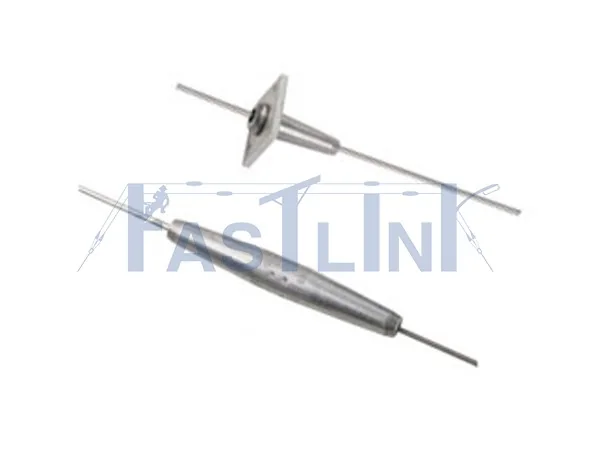
FASTLINK FASTSPLICE is a mechanical wire link connector designed to join two compatible wire sections in a straight inline connection.
Unlike a wire vise, which secures a wire at a termination point, FASTSPLICE accepts wire from opposite ends to form a continuous connection.
Its internal spring-loaded gripping mechanism is designed to engage the inserted wire. When the connector is correctly installed and loaded within its specified limits, the gripping components resist wire movement and pullout.
Key Features of FASTSPLICE
- Push-in installation: Compatible wires are inserted directly into the connector.
- Double-ended connection: Two wire sections are joined through one connector body.
- Mechanical gripping design: Internal components secure the inserted wires.
- Agricultural applications: Suitable models can be used in fencing, vineyard, and orchard wire systems.
- Different wire sizes: Connector selection depends on the applicable FASTSPLICE model and wire specifications.
These characteristics make mechanical wire links worth considering for agricultural installation and maintenance work.
However, the connector must be selected according to the intended application and verified technical requirements.
How to Splice High-Tensile Fence Wire
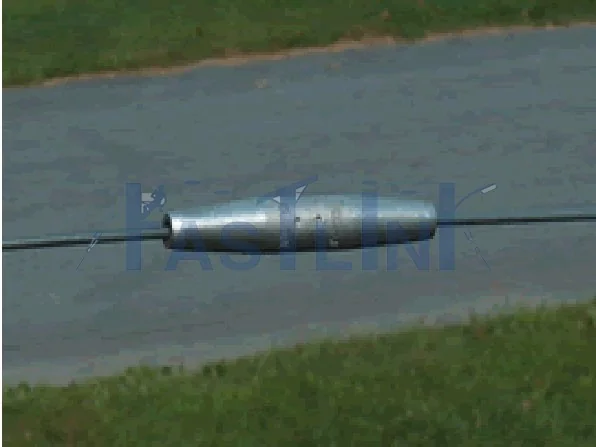
The FASTLINK installation demonstration shows how two wire sections can be connected using a FASTSPLICE connector.
The process involves preparing compatible wires and inserting them into opposite ends of the connector.
Step 1: Check Wire Compatibility
Identify the wire diameter, material, and construction before choosing a connector.
High-tensile fencing wire is available in different specifications, and not every connector is suitable for every wire type.
Select a FASTSPLICE model approved for the intended wire.
Step 2: Prepare the Wire Ends
Inspect both wire ends for damage or deformation.
Prepare the wires according to the manufacturer’s installation instructions.
If repairing an existing fence, safely secure and release the affected wire tension before beginning the work.
Step 3: Insert the First Wire
Hold the FASTSPLICE connector and insert the first wire into one end.
Push the wire into the connector according to the specified insertion requirements.
The internal gripping mechanism is designed to engage the wire.
Step 4: Insert the Second Wire
Insert the second wire into the opposite opening.
Push it into the connector until it reaches the required insertion position.
The two wire sections are now joined through the mechanical connector.
Unlike a traditional twisted-wire joint, the connection does not require wrapping the wire ends around one another.
Step 5: Inspect and Tension the Wire
Check that both wire ends are correctly seated.
Follow the manufacturer’s instructions for verifying the connection before applying working tension.
Use an appropriate tensioning method and avoid exceeding the specified limits of the connector, wire, or supporting structure.
Where Are Fence Wire Splice Connectors Used?
Mechanical wire link connectors are used in different agricultural wire installations.
Agricultural Fencing
Fence wire can become damaged during routine agricultural operations or maintenance.
When a wire section needs replacement, a compatible mechanical splice can reconnect the remaining wire sections.
The surrounding wire and fence structure should be inspected before the repaired section is returned to service.
Vineyard Trellis Systems
Vineyards commonly use tensioned wire systems to support vine growth and organize planting rows.
During installation, workers may need to connect multiple wire lengths.
A suitable FASTSPLICE connector offers a practical joining method where the wire and installation specifications are compatible.
Orchard Wire Supports
Orchards may use wire structures to support plants and agricultural infrastructure.
Mechanical wire links can be considered when extending or repairing compatible wire runs.
Livestock Fencing
High-tensile fencing is widely used for agricultural enclosures.
Wire links may help installers join wire sections during fence installation or repair.
Connector selection should account for the expected mechanical loads and the complete fence design.
Wire Link vs. Wire Vise: Understanding the Difference
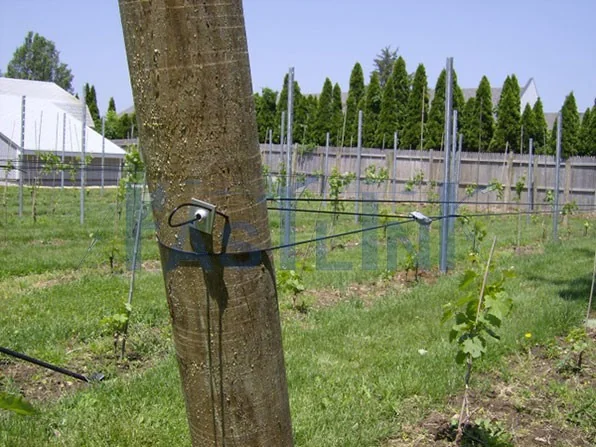
Although wire links and wire vises use mechanical gripping principles, they perform different functions.
Wire Link: Joining Two Wires
A wire link connects two compatible wire sections.
FASTLINK FASTSPLICE uses a double-ended connection design, allowing wire insertion from opposite sides.
This type of connector is commonly associated with wire joining, extension, and repair.
Wire Vise: Securing a Wire End
A wire vise is designed to secure a compatible wire at a termination point.
FASTLINK FASTVISE features a square mounting plate and a mechanical gripping body.
It is used for appropriate wire-end termination applications, including agricultural fencing.
Can Both Be Used in One Installation?
Yes. Different sections of a fencing system may require different connectors.
A wire vise may be used at an end-post termination, while a wire link may be used to join two wire sections along the fence.
The correct arrangement depends on the fence design and installation requirements.
For more information about wire-end termination, read our Wire Vise for Fencing guide.
Mechanical Wire Link vs. Traditional Wire Twisting
Traditional wire joining techniques may require installers to twist or wrap wire ends together.
These methods can involve additional manual steps, depending on the wire type and connection requirements.
A mechanical wire link provides a different installation approach.
Simpler Connection Process
FASTSPLICE uses a push-in method, with one wire inserted from each end.
This avoids the conventional wire-wrapping process.
Compact Inline Design
The connector forms a mechanical joint within a single component.
This can provide a compact connection compared with some traditional joining methods.
Product-Specific Compatibility
Mechanical wire links are offered in different sizes and specifications.
Installers can select a connector based on the manufacturer’s published compatibility information.
However, correct selection and installation remain essential. A mechanical connector should not be assumed to outperform a traditional joint without suitable testing and technical evidence.
Common Mistakes When Splicing Fence Wire
Even a straightforward connection method requires attention to detail.
Choosing the Wrong Connector Size
An incorrectly sized connector may not grip the wire as intended.
Always verify the approved wire diameter.
Using Incompatible Wire Materials
Wire materials and constructions can differ significantly.
Confirm that the connector is approved for the actual wire specification.
Incorrect Wire Insertion
Failure to insert the wire correctly may compromise the connection.
Follow the manufacturer’s insertion and inspection procedures.
Ignoring Existing Wire Damage
A new splice connector cannot restore the strength of severely damaged wire.
Inspect the surrounding wire before performing repairs.
Over-Tensioning the Fence
Excessive tension may damage the wire, connector, anchor posts, or supporting structure.
Apply tension only within the approved limits of the complete fencing system.
How to Choose the Right Fence Wire Splice Connector
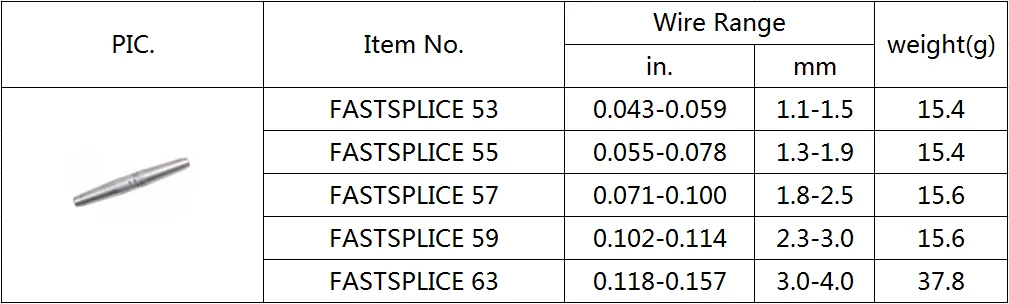
Before purchasing a wire splice connector, professional buyers should identify the technical requirements of their project.
Important selection factors include:
- Wire diameter: Confirm the required connector size.
- Wire material: Check compatibility with the intended wire type.
- Working tension: Verify the relevant mechanical performance requirements.
- Installation environment: Consider outdoor exposure and corrosion conditions.
- Application: Identify whether the connector will be used for fencing, vineyard trellises, or another wire-support system.
- Maintenance: Review applicable installation, adjustment, and removal requirements.
Providing this information to the manufacturer can help ensure the correct product model is selected.
FASTLINK offers FASTVISE and FASTSPLICE connectors for different wire joining and termination requirements.
Frequently Asked Questions
How do you splice high-tensile fence wire?
One method is to use a compatible mechanical wire link connector. FASTLINK FASTSPLICE joins two wire sections by accepting one wire from each end. Proper wire preparation, insertion, inspection, and tensioning are essential.
What is a wire link connector?
A wire link is a mechanical connector designed to join two compatible wire sections in an inline connection.
Can FASTSPLICE be used to repair broken fence wire?
A suitable FASTSPLICE model may be used for approved wire repair applications. The connector specifications and condition of the existing wire must be checked.
What is the difference between FASTVISE and FASTSPLICE?
FASTVISE is primarily used for wire-end termination, while FASTSPLICE is used to connect two wire sections.
Are mechanical wire splices suitable for vineyards?
Suitable mechanical wire splice connectors can be used in vineyard trellis systems where the product is compatible with the wire and installation requirements.
Explore FASTLINK FASTSPLICE Wire Link Connectors
Choosing the right connection method is an important part of agricultural fencing installation and maintenance.
For projects that require joining two compatible wire sections, mechanical wire link connectors offer an alternative to conventional twisted-wire joints.
FASTLINK FASTSPLICE is designed for inline wire joining, while FASTVISE provides a solution for suitable wire-end termination applications.
Together, these products address different requirements in agricultural fencing, vineyards, orchards, and wire-support systems.
Explore the FASTLINK FASTVISE and FASTSPLICE product range to learn more about available connector solutions.
Looking for a Fence Wire Splice Manufacturer?
Contact FASTLINK with your wire specifications, application requirements, and purchasing quantities to discuss suitable connector models and request a quotation.