
When installing or maintaining agricultural fencing, choosing the right wire connector can make a significant difference in installation efficiency and long-term maintenance. Whether working in vineyards, orchards, or other agricultural environments, installers need a practical way to secure wire ends, connect wire sections, and maintain appropriate wire tension.
A wire vise is a mechanical wire-gripping connector designed to secure a wire through an internal gripping mechanism. Instead of relying on traditional wire twisting or complicated fastening procedures, a suitable wire vise allows installers to insert the wire into the connector and secure it in position.
FASTLINK offers the FASTVISE #58 Wire Vise, a connector introduced in the company’s product demonstration for agricultural applications, including vineyards, orchards, and fencing systems.
In this guide, we take a closer look at FASTLINK FASTVISE connectors, their physical construction, installation process, practical applications, and how they work alongside wire splice connectors.
What Is a Wire Vise?
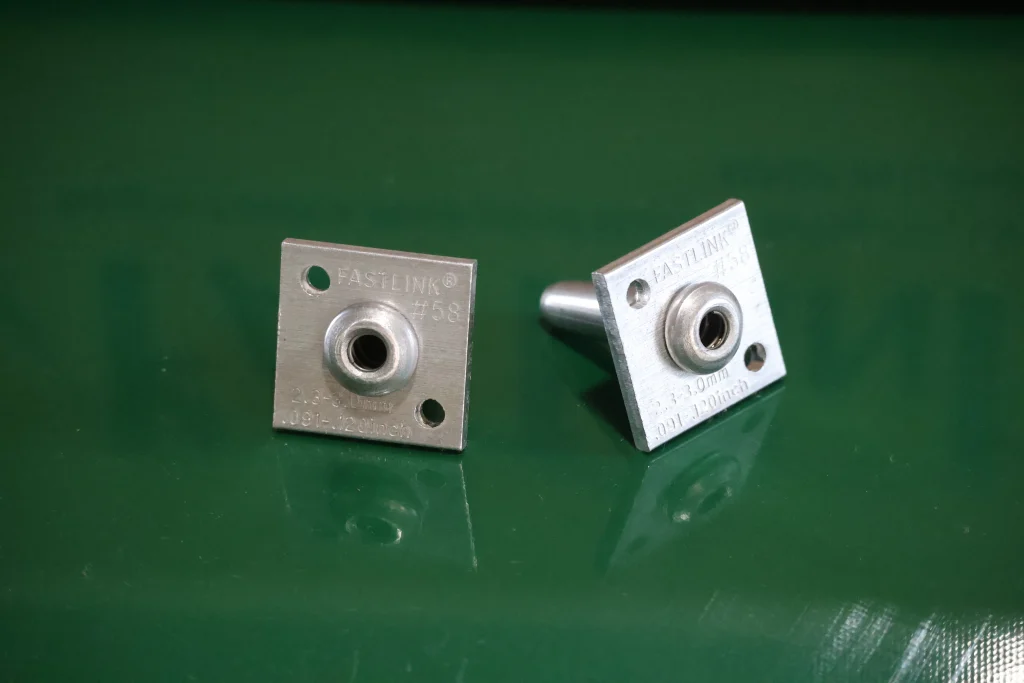
A wire vise, sometimes called a wire vise connector or wire-gripping end fitting, is a mechanical component used to grip and secure a wire.
Its purpose is to provide a practical connection point for wire installations without requiring installers to create a conventional twisted-wire termination.
A typical wire vise uses an internal mechanical gripping arrangement to hold a compatible wire after insertion. The precise design and installation requirements depend on the connector model.
In agricultural fencing, these connectors can help simplify wire termination and maintenance work.
Common situations where wire vise connectors may be useful include:
- Securing wire ends in agricultural fencing systems.
- Installing wire supports in vineyards and orchards.
- Replacing or maintaining existing fence wires.
- Working with compatible wire tensioning arrangements.
- Creating wire terminations where a mechanical connector is preferred.
It is important to distinguish a wire vise from a wire splice. Although both are used in wire installation systems, they serve different functions.
A wire vise is primarily used for securing a wire end, while a wire splice is designed to join two compatible wire sections.
Understanding this distinction helps installers select the correct connector for each application.
Introducing FASTLINK FASTVISE #58 Wire Vise
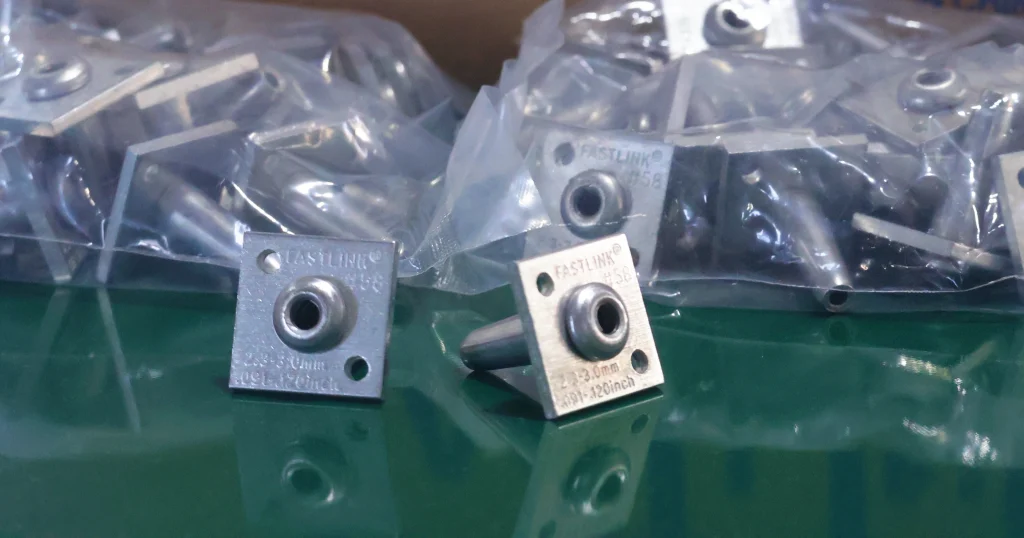
The FASTLINK FASTVISE #58 is a metal wire connector featuring a square mounting plate and a projecting tubular gripping body.
The actual product photographs show the FASTLINK name and the #58 designation marked directly on the metal plate.
The connector has several recognizable physical features:
- A square metal plate with two mounting holes.
- A central wire-entry opening.
- A projecting tubular body behind the plate.
- A visible FASTLINK brand marking.
- A #58 model designation.
- Wire-size information engraved on the product.
The supplied photographs show a marked wire-size range of 2.3–3.0 mm (0.091–0.120 inch). Installers should confirm the complete specifications and wire compatibility before selecting a connector.
The FASTVISE design combines a compact mounting arrangement with a mechanical gripping connection.
For manufacturers, distributors, and agricultural equipment suppliers, clearly identified products can also simplify product selection and communication when discussing a particular model.
A Closer Look at the Actual FASTVISE Product
Unlike catalog illustrations, the actual photographs provide a direct view of the connector’s appearance and construction.
The square mounting plate, central opening, and extended gripping body are clearly visible in the close-up photographs.
The FASTLINK logo and product designation are engraved directly on the connector rather than appearing only on the packaging.
These details help customers visually recognize the model and compare the physical product with their installation requirements.
How Does a Wire Vise Work?
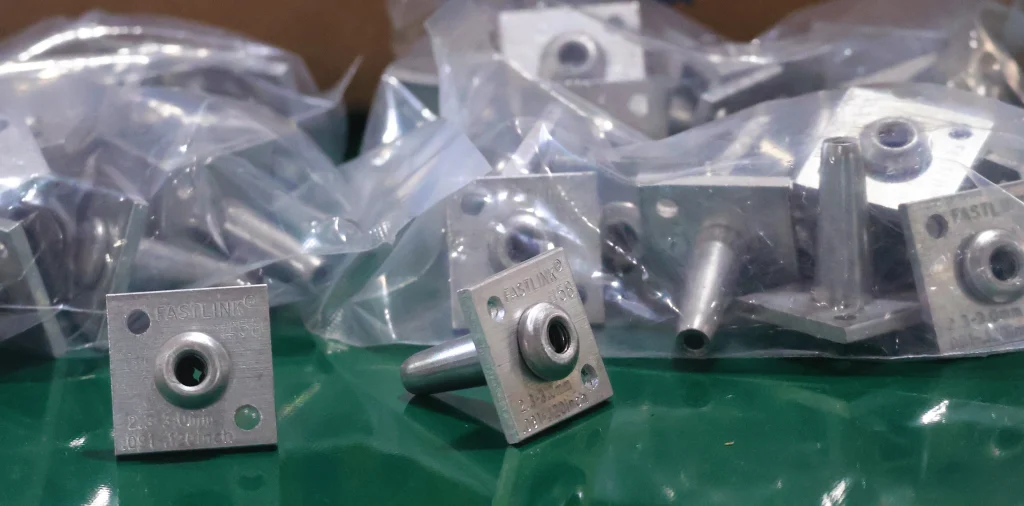
The basic operating principle of a wire vise is mechanical wire gripping.
In the FASTLINK demonstration, the installer inserts a wire into the FASTVISE connector and pushes it into position.
The video demonstrates this straightforward insertion process without showing a separate wire-twisting operation.
Step 1: Select a Compatible Wire Vise
Before installation, identify the wire material, diameter, and intended application.
Check that the selected wire vise is suitable for the wire being installed. The visible size marking on the FASTVISE #58 sample provides an initial reference, but all compatibility and installation requirements should be confirmed against the manufacturer’s instructions.
Step 2: Prepare the Wire
Inspect the wire end before installation.
Make sure the wire is in a condition suitable for insertion and that there are no obvious defects that could interfere with the connection.
Observe the manufacturer’s instructions regarding wire preparation, insertion length, and any restrictions on damaged or previously used wire.
Step 3: Insert the Wire Into the FASTVISE
Position the wire at the connector’s entry opening.
Insert and push the wire into the FASTVISE as shown in the product demonstration.
The video illustrates the basic installation technique and how the connector is used as part of an agricultural wire installation.
Step 4: Check the Connection
After inserting the wire, verify that the connection is properly seated according to the applicable product instructions.
Do not assume that insertion alone confirms a connection is suitable for loading.
Installation inspection and suitability for service should follow the manufacturer’s technical requirements.
Step 5: Adjust Wire Tension When Required
In the FASTLINK demonstration, a separate fastening tool is also presented.
The tool is used when the installed wire requires additional tightening.
This is particularly relevant to agricultural wire systems where installers may need to adjust tension during installation or maintenance.
The demonstration illustrates how FASTVISE connectors can be used alongside an appropriate tensioning tool as part of a practical installation process.
Wire Vise vs. Wire Splice: What Is the Difference?
Although wire vise connectors and wire splice connectors may look similar in some respects, they are intended for different connection tasks.
Wire Vise — Securing a Wire End
A wire vise is used to grip and secure a compatible wire at a termination point.
The FASTLINK FASTVISE #58 represents this type of connector and is demonstrated for agricultural fencing applications.
Wire Splice — Joining Two Wire Sections
A wire splice is designed to connect two sections of compatible wire.
In the FASTLINK video, the presenter demonstrates a FASTSPLICE connector by inserting a wire from one side and then inserting the second wire from the opposite side.
The result is a connection between two wire sections.
The demonstration describes the process as fast and easy.
Which Connector Should You Choose?
The choice depends primarily on the installation task.
If the job involves securing a wire end, a suitable wire vise may be appropriate.
If the job involves joining two wire lengths, a compatible wire splice may be the correct solution.
For agricultural installations, both types of connectors may be needed within the same fencing or wire-support system.
However, the connector must always match the wire specifications, loading conditions, and intended installation method.
Agricultural Applications of FASTLINK Wire Vise Connectors
The FASTLINK demonstration identifies agricultural use as a primary application for the FASTVISE #58.
Specifically, the presenter mentions vineyards, orchards, and different types of fences.
These settings frequently involve extended wire runs and recurring installation or maintenance work.
1. Vineyard Wire Support Systems
Vineyards commonly use wire-based support structures to help manage vine growth and maintain organized planting rows.
These systems may contain multiple wire levels supported by posts.
During installation and maintenance, workers need appropriate methods for terminating and connecting the support wires.
A compatible wire vise can form part of the wire termination arrangement.
FASTLINK FASTVISE connectors are presented in the company’s demonstration as a solution for this type of agricultural environment.
For vineyard projects, product selection should account for the wire material, diameter, tensioning arrangement, and applicable structural requirements.
2. Orchard Wire Installations
Orchards may also use wire systems for plant support and agricultural structures.
These installations often extend across multiple rows, making efficient installation methods valuable.
The push-in installation process demonstrated with FASTVISE provides a practical alternative to more involved connection methods where the connector is suitable for the application.
Using compatible wire vise and splice products may help installers perform different connection tasks with a coordinated set of components.
3. Agricultural Fencing
Fencing is another application specifically mentioned in the FASTLINK video.
Agricultural fences may require wire termination, wire joining, and periodic tension adjustment.
A wire vise is relevant where a compatible wire end needs to be secured.
A wire splice is relevant where two wire sections need to be connected.
The separate tightening tool shown in the video addresses another common operation: adjusting wire tension when required.
Together, these products illustrate a practical approach to agricultural wire installation and maintenance.
Why Consider FASTLINK FASTVISE for Agricultural Wire Installation?
When comparing wire vise connectors, buyers should evaluate more than appearance or purchase price.
The connector’s function, compatibility, installation procedure, and suitability for the intended service conditions all matter.
Several aspects of the demonstrated FASTLINK system are particularly relevant.
Straightforward Installation Method
The product video shows the wire being inserted directly into the connector.
This simple procedure can reduce the number of manual connection steps compared with installation methods requiring wire twisting.
Actual installation time will depend on the wire system, installer experience, and site conditions.
Clearly Identified Product Model
The photographed FASTVISE connector carries the FASTLINK marking and #58 model identification.
The visible diameter marking also helps distinguish this model from connectors intended for different wire sizes.
Complementary Connection Products
FASTLINK demonstrates both FASTVISE and FASTSPLICE products.
This gives buyers a clearer understanding of how wire-end termination and wire-to-wire joining can be handled as separate tasks.
Relevant Agricultural Applications
Rather than presenting a generic connector without context, the FASTLINK video demonstrates the product in connection with agricultural uses.
The examples of vineyards, orchards, and fencing help customers understand the intended application area.
What Should Buyers Check Before Ordering Wire Vise Connectors?
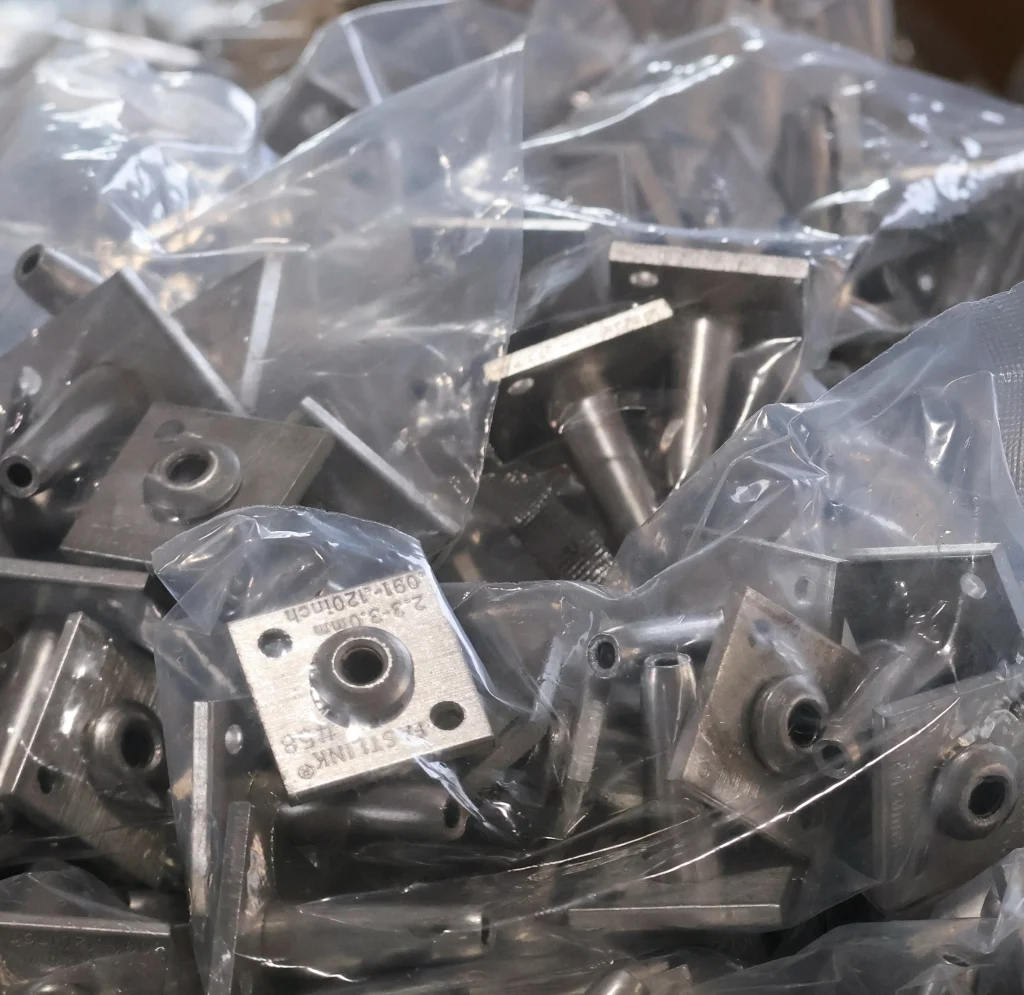
For professional buyers, distributors, and project contractors, correct product selection is essential.
Before ordering, consider the following:
Wire diameter: Check that the connector is rated for the specific wire diameter. The photographed #58 sample bears a 2.3–3.0 mm marking.
Wire material: Verify whether the connector is approved for the specific wire material and construction.
Working load and strength: Request the applicable technical ratings where the installation involves mechanical loading or tension.
Installation requirements: Confirm the correct insertion procedure, mounting arrangement, and any required installation tools.
Environmental conditions: Consider moisture, outdoor exposure, and corrosion requirements in the intended agricultural environment.
Product identification: Specify the model and size when requesting quotations or technical documentation.
These checks help reduce product-selection errors and ensure the proposed connector is suitable for the installation.
Frequently Asked Questions About Wire Vise Connectors
What is a wire vise used for?
A wire vise is used to grip and secure a compatible wire, typically at a wire termination point. It can be used in suitable fencing and agricultural wire-support applications.
How do you install a FASTLINK wire vise?
The FASTLINK demonstration shows the installer inserting and pushing the wire into the FASTVISE connector. The complete installation must follow the manufacturer’s compatibility, seating, and inspection instructions.
What is the difference between a wire vise and a wire splice?
A wire vise secures a wire end, while a wire splice connects two compatible wire sections. FASTLINK demonstrates FASTVISE and FASTSPLICE products for these different purposes.
Can a wire vise be used in vineyards?
FASTLINK specifically introduces its #58 connector for agricultural applications, including vineyards and orchards. The selected product must be suitable for the particular wire system.
What wire size does FASTLINK FASTVISE #58 support?
The photographed FASTVISE #58 sample is marked 2.3–3.0 mm (0.091–0.120 inch). Buyers should confirm the current technical specifications and approved wire types with FASTLINK.
Is a special tool required to install a wire vise?
The FASTLINK demonstration shows a push-in connection method. It also presents a separate tool for additional wire tightening when needed. The correct tools and procedures depend on the installation requirements.
Explore FASTLINK Wire Vise and Wire Splice Solutions
For agricultural wire installations, selecting the right connector can help simplify wire termination, joining, and maintenance tasks.
FASTLINK FASTVISE #58 offers a compact mechanical wire-gripping design, with a product demonstration focused on vineyards, orchards, and fencing applications.
Combined with a compatible FASTSPLICE connector and an appropriate wire-tightening tool, the FASTLINK product range provides options for different stages of agricultural wire installation.
Looking for a Wire Vise Manufacturer or Supplier?
Contact FASTLINK to discuss FASTVISE connector models, wire compatibility, technical specifications, and product availability.
Our team can help you identify suitable wire vise and wire splice solutions for your agricultural fencing or wire-support project.
Contact FASTLINK for product information or a quotation.